What Is Functional Fitness? The Real Meaning Behind the Fitness Buzzword | Fithouse 818
What Does “Functional Fitness” Actually Mean?
Why You’re Hearing the Term Everywhere in Modern Fitness Culture
If you’ve spent any time around gyms, fitness TikTok, YouTube workouts, or wellness podcasts lately, you’ve probably heard the phrase functional fitness more times than you can count.
Every gym seems to advertise it. Every trainer claims to teach it. Social media creators use it constantly.
But what does functional fitness actually mean?
Has it become another fitness buzzword, or does it genuinely matter?
The answer is both simpler — and more important — than most people think.
The Rise of Functional Fitness
Over the last decade, fitness culture has shifted dramatically.
For years, mainstream gym culture focused heavily on aesthetics:
Bigger arms
Six-pack abs
Weight loss
Bodybuilding-style training
“Beach body” marketing
While there is nothing wrong with training for appearance goals, many people started realizing something important:
Looking fit and moving well are not always the same thing.
Someone can spend years lifting weights but still struggle with:
Tight hips
Poor posture
Back pain
Limited mobility
Weak core stability
Poor balance
Difficulty performing everyday movements
That realization changed the conversation around fitness.
People started asking:
Can my body move efficiently?
Am I getting stronger in ways that help daily life?
Does my training improve how I feel outside the gym?
That is where functional fitness became popular.
So What Is Functional Fitness?
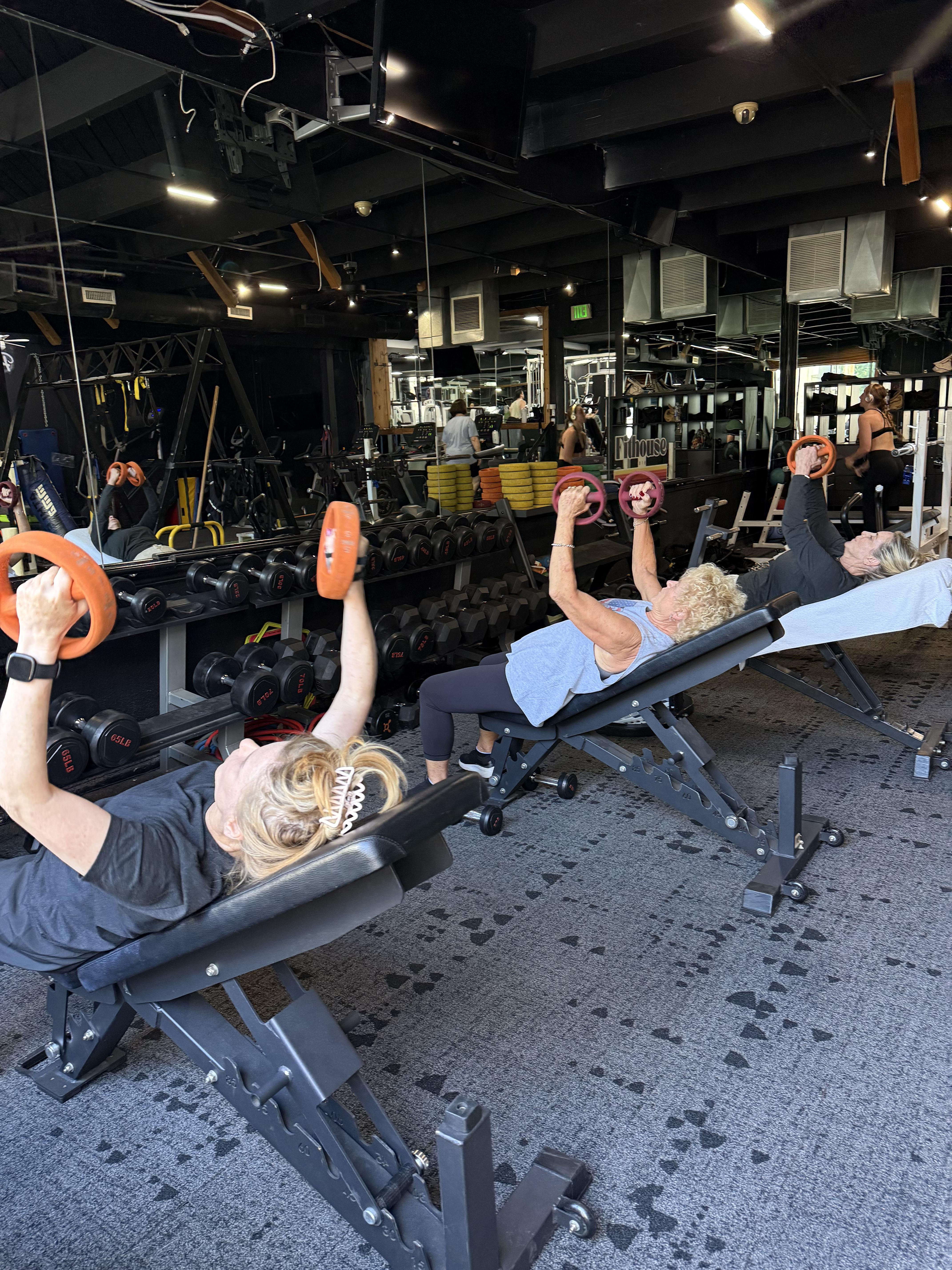
At its core, functional fitness is training that helps your body perform real-life movements more effectively and safely.
Instead of only training muscles in isolation, functional workouts focus on movement patterns your body naturally uses every day.
Things like:
Squatting
Pushing
Pulling
Rotating
Carrying
Lunging
Stabilizing
Reaching
In other words, functional fitness trains your body for life — not just for mirrors or machines.
Everyday Examples of Functional Movement
A lot of people hear “functional fitness” and imagine flipping tires or doing complicated balance exercises on social media.
But functional movement is much more practical than that.
Examples include:
Carrying groceries without back pain
Picking up your kids safely
Improving posture at work
Walking upstairs without getting exhausted
Preventing injuries
Improving balance as you age
Moving with less stiffness and tightness
Building strength that translates outside the gym
That is why functional fitness has become so relevant today.
Modern life keeps people sitting longer, moving less, and dealing with more physical discomfort than ever before.
Many workouts now aim to reverse those problems instead of only chasing aesthetics.
Functional Fitness vs. Traditional Training
One of the biggest misconceptions online is that functional fitness and traditional strength training are opposites.
They are not.
Functional fitness is not about abandoning strength training. In fact, strength is one of the most functional things you can build.
The difference is usually how the body is trained.
Traditional gym training often isolates muscles individually:
Bicep curls
Leg extensions
Chest fly machines
Functional training focuses more on coordinated movement patterns involving multiple muscle groups working together.
Exercises commonly used in functional workouts include:
Squats
Deadlifts
Kettlebell carries
Push-ups
Rows
Sled pushes
Lunges
Core stability work
Mobility drills
These movements often improve:
Coordination
Stability
Athleticism
Mobility
Balance
Joint strength
Overall movement quality
Why Functional Fitness Exploded on Social Media
Part of the reason functional fitness became so popular is because people are starting to care more about longevity and quality of life.
Fitness culture is changing.
Many people are no longer only asking:
“How do I look?”
They are also asking:
“How do I feel?”
“How well can I move?”
“How healthy will I be 10 or 20 years from now?”
That shift matters.
You can see it everywhere right now:
More mobility training
Increased interest in recovery
Walking becoming popular again
Strength training for longevity
Hybrid training
Performance-based workouts
Low-impact fitness trends
People want workouts that help them feel stronger, healthier, and more capable in everyday life.
Not just workouts that burn calories.
Functional Fitness Is Not a Trend, Good Movement Has Always Mattered
The funny thing is that functional fitness is not actually new.
Athletes have trained movement patterns for decades. Physical therapists have emphasized movement quality forever. Even basic human activity has always been functional.
The term simply became mainstream because modern lifestyles created a bigger need for it.
Most people today:
Sit for hours
Spend excessive time on phones and computers
Move less during work
Experience more stiffness and tightness
Deal with stress-related tension
As a result, people are searching for training that helps them move and feel better — not just look different.
The Biggest Misunderstanding About Functional Fitness
One mistake people make is assuming “functional” means workouts need to look complicated.
They do not.
Sometimes social media makes functional training look like circus tricks:
Standing on unstable surfaces
Overly complex movements
Fancy exercises with little purpose
But effective functional fitness is usually built around mastering fundamentals.
The basics still matter most:
Squatting properly
Learning good posture
Building core strength
Improving mobility
Developing balance
Strengthening joints
Moving through full ranges of motion
Simple movements done correctly often create the best long-term results.
Why Functional Fitness Matters for Long-Term Health
At some point, fitness becomes less about aesthetics and more about quality of life.
People want to:
Stay active as they age
Prevent injuries
Maintain independence
Improve energy levels
Feel physically capable
Reduce pain and stiffness
That is where functional fitness becomes incredibly valuable.
Because real fitness is not only about what your body looks like.
It is about what your body can do.
At Fithouse 818, we believe workouts should help people build strength that carries into everyday life. The goal is not simply exhaustion — it is creating stronger movement patterns, better health, and long-term sustainability.
Because the best training programs are not only impressive in the gym.
They improve the way you live outside of it too.
Fithouse 818 -- Sherman Oaks.
Built Different.